Understanding the Heart of Home Care: What is a Home Health Aide?
I often reflect on the quiet heroes who enable so many of us to maintain dignity and independence right where we feel most comfortable: our own homes. The term "home health aide" (HHA) might sound straightforward, but I assure you, the reality of this profession is incredibly complex, multifaceted, and truly quite extraordinary. It's not just a job; for many, it's a calling, a deeply personal commitment to caring for others. I've had countless opportunities to observe the profound impact these professionals have on individuals and their families, and I'm convinced their contributions are often underestimated.
So, what exactly does a home health aide do? Well, it’s a whole lot more than just showing up. Think about someone who needs a little extra help with daily living, perhaps due to age, illness, or disability. An HHA steps in to bridge that gap, providing essential support that allows clients to avoid institutional care, helping them live fuller lives in familiar surroundings. It’s a remarkable service, really, and one that demands a unique blend of skills, patience, and compassion.
"To care for those who once cared for us is one of the highest honors." I believe this sentiment perfectly encapsulates the spirit of home health aides. They truly embody it daily.
The Day-to-Day: Beyond Just Tasks
When I first considered the role, I probably pictured a basic checklist of duties. And while there certainly are tasks, the nuance in how HHAs perform them is what truly distinguishes them. We're talking about a broad spectrum of assistance, tailored to individual needs. Here’s a glimpse of what I’ve observed their responsibilities often entail:
- Personal Care: This is a big one. It includes helping clients with bathing, dressing, grooming, and even using the toilet. It’s about maintaining hygiene and dignity, which is so incredibly important for self-esteem. I can’t imagine how vulnerable one might feel needing this kind of help, so the gentle approach of an HHA is crucial.
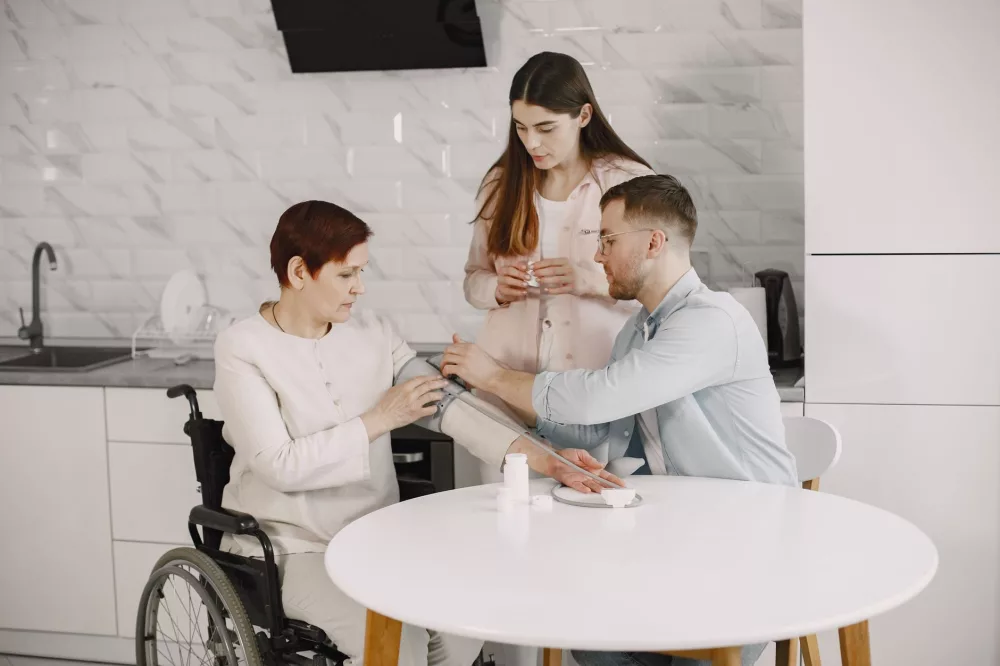
- Mobility Support: Assisting with transfers, like moving from a bed to a wheelchair, or helping clients walk around the house. Safety is absolutely paramount here, and HHAs receive specific training for these techniques to prevent falls and injuries.
- Medication Reminders: While they can’t administer medications, HHAs play a crucial role in reminding clients when to take their prescribed drugs and ensuring they take them correctly. This simple act can prevent so many complications.
- Meal Preparation and Nutrition: Preparing nutritious meals, often accommodating dietary restrictions, and sometimes even assisting with feeding. I’ve seen HHAs transform mealtimes from a chore into a pleasant social interaction.
- Light Housekeeping: Keeping the client's immediate living area tidy and safe. This isn't deep cleaning, but ensuring a clean environment is vital for health and comfort.
- Transportation and Errands: Helping clients get to appointments, grocery shopping, or other necessary outings. This connectivity keeps clients engaged with the outside world.
What I find particularly striking is how seamlessly HHAs integrate these tasks into a client's life. It’s not just performing duties; it’s about creating a comfortable, supportive, and respectful environment. It really isn't easy work, you know?
The Unseen Labor: Companionship and Emotional Support
This is where the magic really happens, I think. Beyond the physical assistance, HHAs often become a lifeline for their clients. Loneliness and social isolation are serious concerns, especially for the elderly or those with chronic conditions. An HHA often steps into the role of a trusted companion, a listener, and sometimes, the only consistent face a client sees all week.
I've heard countless stories from HHAs about the deep bonds they form. They celebrate small victories, offer encouragement during difficult times, and simply provide a human connection. Imagine the comfort of having someone there to share a cup of tea with, to talk about the day, or just to sit quietly beside you. This emotional support is invaluable; it contributes significantly to a client's mental well-being and overall quality of life. It’s what transforms good care into exceptional care, honestly.
What It Takes: Training, Certification, and Skills
You might think that caring for someone just requires a good heart, and while that’s absolutely true, it’s far from the whole picture. Becoming a qualified home health aide involves specific training and often certification. Most states require HHAs to complete a state-approved training program, which covers a wide array of topics:
- Basic Nursing Skills: Learning how to monitor vital signs, recognize changes in a client's condition, and provide first aid.
- Client Rights and Safety: Understanding privacy regulations, client autonomy, and how to maintain a safe environment to prevent accidents.
- Nutrition and Meal Preparation: Specifics on balanced diets, special dietary needs, and safe food handling.
- Emergency Procedures: Knowing what to do in medical emergencies, including CPR.
- Communication Skills: Essential for interacting effectively with clients, their families, and other healthcare professionals.
After completing training, many HHAs must pass a competency exam to become certified. This standardization ensures a certain level of skill and knowledge, which I believe is absolutely crucial when entrusting someone with the care of a vulnerable individual. You can't just wing it when someone's health and safety are on the line, can you?
The Challenges and Profound Rewards of the Role
Let's be real: this job isn't always easy. Home health aides face a unique set of challenges. The work can be physically demanding, requiring strength and proper body mechanics. Emotionally, it can be taxing too; witnessing a client's decline or dealing with challenging family dynamics can weigh heavily. They often work independently, managing their schedules and navigating various home environments.
However, the rewards, from what I've gathered, are incredibly profound. The satisfaction of knowing you’ve made a tangible difference in someone’s life, helping them live comfortably and happily in their own home, is unparalleled. A simple smile, a heartfelt thank you, or seeing a client regain some independence – these moments can make all the hard work worthwhile. It's a true sense of purpose, I think.
Finding the Right Fit: Advice for Families
For families considering hiring a home health aide, I’d suggest a few things based on my observations. It’s not just about finding someone qualified, though that’s certainly important. It's about finding the *right* fit.
- Check Credentials: Always verify certifications, background checks, and references. This is a non-negotiable step.
- Personality Match: This is huge. The HHA will spend significant time with your loved one. Their personality should complement the client's. A trial period can be very helpful here.
- Communication is Key: Look for an HHA who communicates clearly and openly, not just with the client but also with the family and other healthcare providers.
- Trust Your Gut: That initial feeling you get? It often means a lot.
Choosing an HHA is a very personal decision, and taking the time to find someone who instills confidence and comfort is absolutely worth the effort.
The Growing Need for Home Health Aides
As our population ages and healthcare models increasingly shift towards home-based care, the demand for skilled and compassionate home health aides is skyrocketing. This profession isn’t just important today; it's going to be absolutely vital for our societal well-being in the years to come. I honestly think we need to appreciate them more, acknowledging the essential role they play in our healthcare ecosystem.
The work of a home health aide is a testament to the power of human connection and the enduring desire to care for one another. They are, without a doubt, the unsung heroes of our healthcare system, providing comfort, dignity, and independence one compassionate interaction at a time.