What Exactly Does the Harris County District Attorney Do?
When we talk about the Harris County District Attorney's Office, I think many of us probably picture a powerful figure standing in a courtroom, right? And that's certainly part of it. But honestly, the scope of what this office handles is so much bigger, so much more intricate, than just courtroom drama. It’s a massive operation, serving one of the largest and most diverse counties in the entire United States, encompassing Houston and its surrounding areas. This office isn't just about prosecuting criminals; it’s about shaping the very fabric of our local justice system, influencing public safety, and making decisions that impact countless lives every single day. I mean, when you really stop to think about it, the power and responsibility here are immense. They’re tasked with enforcing state laws, ensuring justice for victims, and, at the same time, upholding the constitutional rights of the accused.
The Core Mission: Prosecution and Beyond
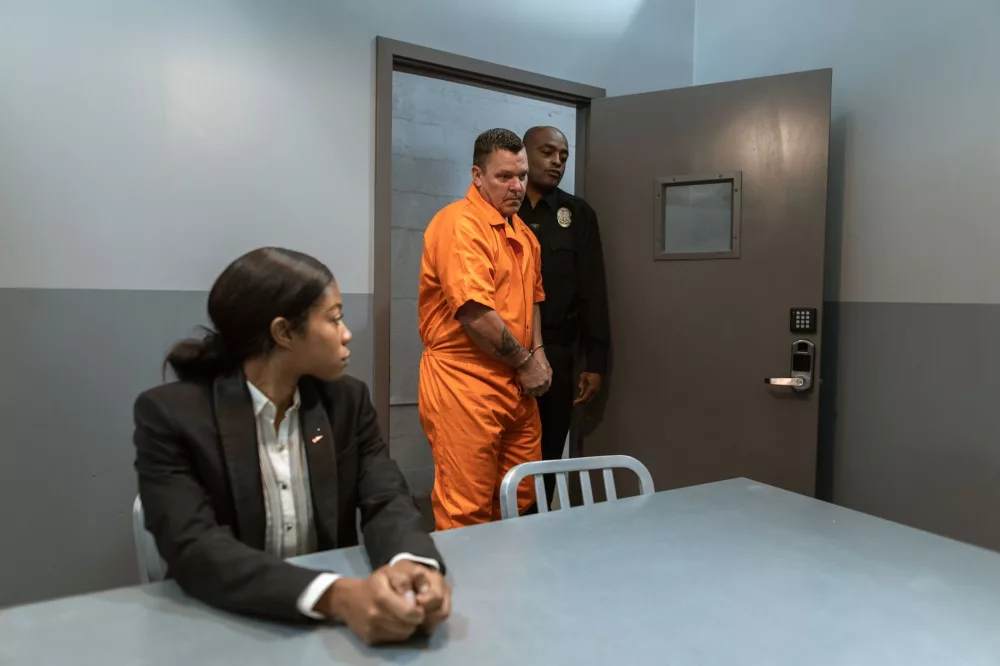
At its heart, the District Attorney's Office is the chief prosecuting agency for all criminal matters in Harris County. This means if you've been arrested for anything from a minor misdemeanor like shoplifting to a capital felony like murder, it's the DA's team that decides whether to pursue charges, what those charges will be, and how to proceed with the case. It's a heavy burden, you know? They have to weigh evidence, interview witnesses, work closely with law enforcement agencies like the Houston Police Department and the Harris County Sheriff's Office, and then present their case to a grand jury, and eventually, if necessary, to a trial jury. But it's not just about winning convictions; it's also about seeking justice, which can sometimes mean dismissing cases where the evidence just isn't there, or offering plea bargains that resolve cases fairly without the need for a lengthy trial.
- Investigating and Charging: After an arrest, prosecutors review all the evidence gathered by police to determine if there's enough to file formal charges. This is a critical step, often leading to charges being filed, modified, or sometimes even dropped.
- Grand Jury Proceedings: For felony cases, the DA's office presents evidence to a grand jury, a group of citizens who decide if there's probable cause to move forward with an indictment.
- Trial Advocacy: Representing the state in court, presenting arguments, examining witnesses, and trying to secure a conviction.
- Victim Services: Providing support, resources, and information to victims of crime throughout the legal process. This is something I think many people overlook, but it's incredibly important for healing and recovery.
- Community Engagement: Working with local communities on crime prevention, education, and initiatives aimed at reducing crime rates.
Navigating the Labyrinth of Justice: My Perspective on Their Influence
I find it fascinating how much influence the DA's office wields over the entire justice process. From the moment someone is accused, their choices can dictate the trajectory of that individual's life. Think about bail reform, for instance. That's been a really hot topic in Harris County, hasn't it? The DA's stance on cash bail or personal recognizance bonds can have a massive impact on who stays in jail awaiting trial and who gets to go home. This isn't just about financial burden; it affects jobs, families, and even the ability of the accused to prepare their defense effectively. It’s a complex ethical tightrope they walk, balancing public safety concerns with ensuring fairness for everyone, regardless of their economic situation.
Then there's the push for criminal justice reform. Harris County, like many urban centers, has seen calls for changes to how we approach non-violent offenses, drug-related crimes, and even certain sentencing guidelines. The DA's office plays a crucial role in implementing these reforms or, conversely, resisting them. We've seen shifts towards diversion programs, which aim to get people help instead of just locking them up, especially for minor offenses. This approach, I believe, recognizes that sometimes incarceration isn't the best or most effective solution for society or the individual. It's about breaking cycles, not just punishing. But, of course, these reforms aren't without their critics, who often raise concerns about public safety and accountability.
The People Who Make It Happen
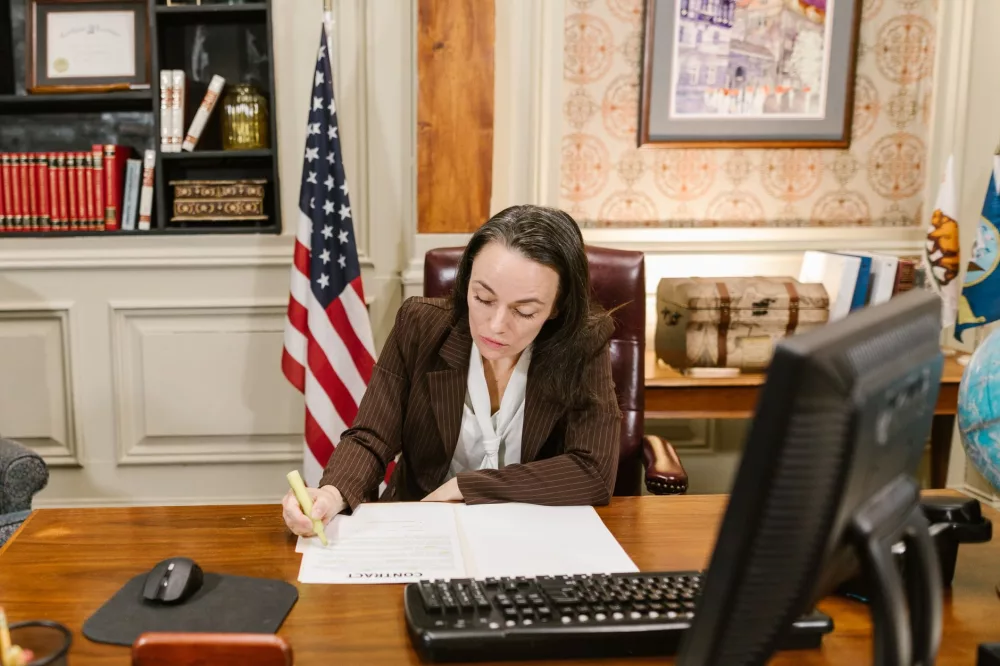
It's easy to think of the District Attorney as just one person, the elected official at the top. But in reality, the Harris County DA's Office is a huge organization. I'm talking about hundreds of assistant district attorneys, investigators, victim advocates, and support staff. Each person in that office contributes to the overall mission. The assistant DAs are the ones day-in and day-out in the courtrooms, arguing motions, negotiating pleas, and trying cases. They're often specialized, dealing with specific types of crime like family violence, organized crime, or juvenile offenses. It's a demanding job, requiring incredible dedication, legal knowledge, and a strong sense of justice. They're often overworked, under immense pressure, and dealing with some of the toughest situations imaginable.
The Community's Stake: Why This Office Matters to You and Me
The decisions made by the Harris County District Attorney's Office directly affect public safety and the quality of life for everyone living in the county. Their policies on prosecuting certain crimes, their efforts in community outreach, and their commitment to transparency can either build or erode public trust in the justice system. When the community feels that justice is being served fairly and effectively, it strengthens the social fabric. Conversely, when there are perceptions of injustice or inefficiency, it can lead to frustration and distrust.
Consider the impact on victims. A well-run victim services division can be a lifeline, providing emotional support, helping navigate court procedures, and connecting individuals with essential resources. This isn't just bureaucratic work; it's about helping people put their lives back together after experiencing trauma. On the flip side, the DA's approach to rehabilitation and alternative sentencing can affect whether individuals re-offend or successfully reintegrate into society. These are big, societal questions that I believe we all have a stake in.
Challenges and the Road Ahead
The Harris County DA's office faces ongoing challenges, not least of which is managing a huge caseload in a rapidly growing metropolitan area. They also have to contend with evolving legal precedents, budget constraints, and the constant push and pull between different philosophies of criminal justice. Balancing public demands for tough-on-crime approaches with a growing understanding of systemic issues and the need for reform is a continuous tightrope walk. Technology also plays a role, with new forensic techniques and digital evidence constantly changing the landscape of investigations and prosecutions.
Ultimately, the District Attorney for Harris County isn't just a prosecutor; they’re a key architect of our community's future. Their leadership, policies, and the integrity of their team impact everything from who walks free to who gets help, and how safe we all feel in our homes and neighborhoods. It’s a powerful position, one that I think demands our careful attention and understanding as informed citizens.